Full System Pressure Test
We isolate the domestic water system, pressurize it, and watch the gauge for 15 minutes. A drop of 5 psi or more confirms a supply-side leak. This test covers copper pipe, PEX tubing, and every shut-off valve in the run.
When your water bill jumps or a stain spreads across the ceiling, you need leak detection brea CA that pinpoints the source without tearing your house apart. We use acoustic listening gear, thermal imaging, and pipe inspection cameras to find hidden leaks in slab, wall, and underground lines. Homeowners across Orange County call us because we locate the leak first, then fix it right.
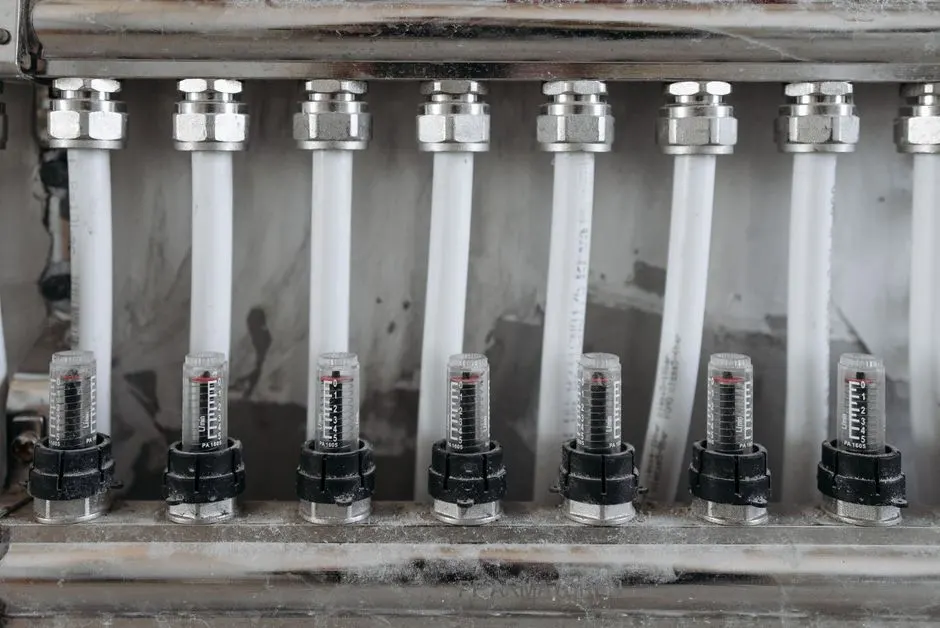
Leak detection brea CA is a diagnostic plumbing service that locates water escaping from supply lines, drain lines, slabs, and fixtures without unnecessary demolition. We start by isolating the system: shutting off fixtures, watching the meter, and pressure-testing lines to confirm there is a leak. Then we bring in acoustic listening equipment, thermal imaging cameras, and a pipe inspection camera to narrow the location to within a few inches. Once we know exactly where the water is coming from, we give you a straight answer on repair options and cost.
In brea, most hidden leaks we find are slab leaks in homes built between 1960 and 1990, pinhole leaks in copper pipe, and failed supply lines behind washing machines and water heaters. The city's older tracts in Downtown Brea and Olinda have original copper that is now 40 to 60 years old, and that metal thins from the inside out. If you have noticed a warm spot on the floor, the sound of running water when everything is off, or a water bill that jumped $80 to $200 in one cycle, call us for leak detection near me brea before the damage spreads into drywall and flooring.
Every leak detection call includes the full diagnostic package below. If the leak turns out to be in a drain line or sewer, we quote that separately, but the detection work itself covers both supply and drain side.
We isolate the domestic water system, pressurize it, and watch the gauge for 15 minutes. A drop of 5 psi or more confirms a supply-side leak. This test covers copper pipe, PEX tubing, and every shut-off valve in the run.
We use a listening disc and amplifier to hear water escaping under slabs and inside walls. The sound of a pinhole leak in copper is distinct from a running toilet or a dripping fixture, and we can tell the difference on site.
A thermal camera shows temperature differences across floors and walls. A hot-water slab leak reads as a warm streak, and a cold-water leak reads cool. We photograph the findings and mark the floor with tape so you can see the location.
For drain and sewer leaks, we run a RIDGID camera through the line and record the footage. You see root intrusion, cracked PVC pipe, offset joints, and bellies where water pools. We note the distance from the cleanout so the repair crew knows exactly where to dig.
We check drywall, baseboards, and flooring with a moisture meter to see how far water has traveled. That tells you whether you need to call a remediation company or just dry the area with fans. We mark the wet zone on the report.
You get a one-page summary with the leak location, the test results, photos, and a flat-rate repair quote. If it is a slab leak, we quote both spot repair and reroute so you can compare cost and disruption.
We start by asking what you have noticed: higher bills, a warm floor spot, a running toilet, or a sound of water when everything is off. Then we shut off every fixture and watch the water meter. If the dial still moves, there is a leak on the pressurized side. This step takes 10 to 15 minutes and tells us which system to chase.
We isolate the domestic water system from irrigation, the water heater, and any exterior hose bibs. Using a pressure gauge on a hose bib or test port, we pressurize the line and watch for drop-off. A line that loses 5 to 10 psi in 15 minutes has a leak. This narrows the search to a specific run of pipe.
We walk the suspect area with an acoustic listening disc and a thermal imaging camera. Copper and PEX both transmit the sound of escaping water, and a slab leak shows up as a warm streak on the thermal image. We mark the floor or wall with tape so you can see exactly where the problem is.
For drain-side leaks or sewer line issues, we run a pipe inspection camera through the line. The camera shows root intrusion, cracked PVC pipe, offset joints, and bellies where water pools. For supply-side leaks, we confirm with a second pressure test after isolating the suspect section. You see the footage on the monitor.
We give you a one-page summary: what is leaking, where it is, and what it takes to fix it. If it is a slab leak, we quote both spot repair and reroute options. If it is a fixture or supply line, we quote the part and labor. You decide what to do next, and we can usually start the same day.

We start by asking what you have noticed: higher bills, a warm floor spot, a running toilet, or a sound of water when everything is off. Then we shut off every fixture and watch the water meter. If the dial still moves, there is a leak on the pressurized side. This step takes 10 to 15 minutes and tells us which system to chase.
Amplifies the sound of water escaping under a slab or inside a wall. We place it on the floor and move in a grid until the leak sound peaks, which narrows the location to a few inches.
Shows temperature differences across floors and walls. A hot-water slab leak reads as a warm streak, and a cold-water leak reads cool. We photograph the image for your report.
Runs through drain and sewer lines to show root intrusion, cracked PVC pipe, offset joints, and bellies. We record the footage and note the distance from the cleanout.
Confirms a supply-side leak by pressurizing the line and watching for a 5 to 10 psi drop over 15 minutes. We use it before and after every repair to prove the fix.
Checks drywall, baseboards, and flooring to see how far water has traveled. That tells you whether you need a remediation company or just fans and time.
Clears grease, roots, and scale from drain lines at 3,000 to 4,000 psi after leak detection confirms the pipe is intact but blocked.
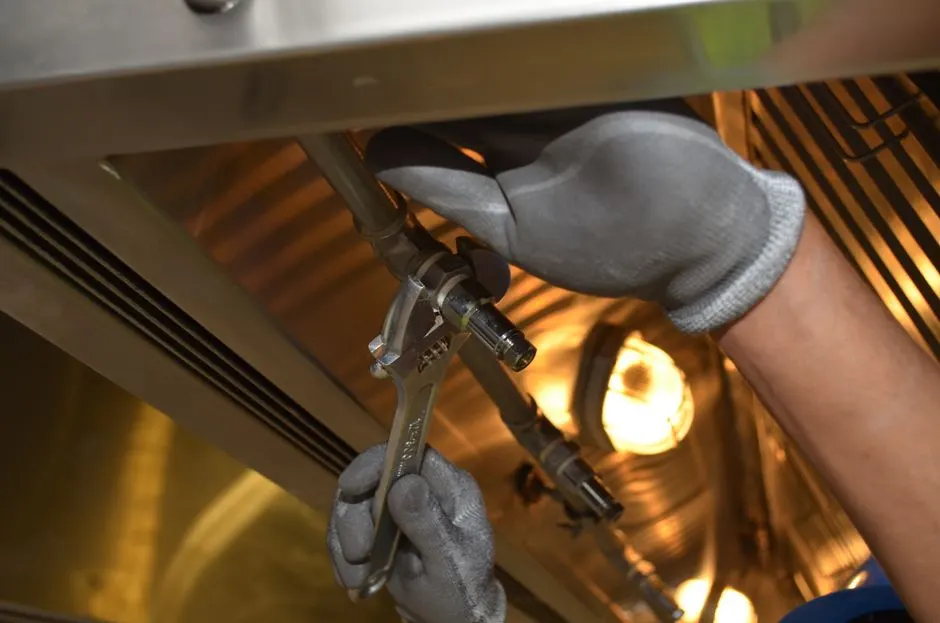
A homeowner in Downtown Brea had a water bill that jumped from $95 to $310 in one cycle. The hallway floor was warm to the touch, and a moisture meter showed the pad was wet 4 feet in every direction. The home had original 1962 copper under the slab.
After: We pressure-tested the system, found a 12 psi drop, and located the leak with acoustic gear under the hallway. Rather than break the slab, we rerouted the hot-water line through the attic with PEX tubing. Water was back on by 4 p.m. the same day, and the next bill was $88.
Book this service →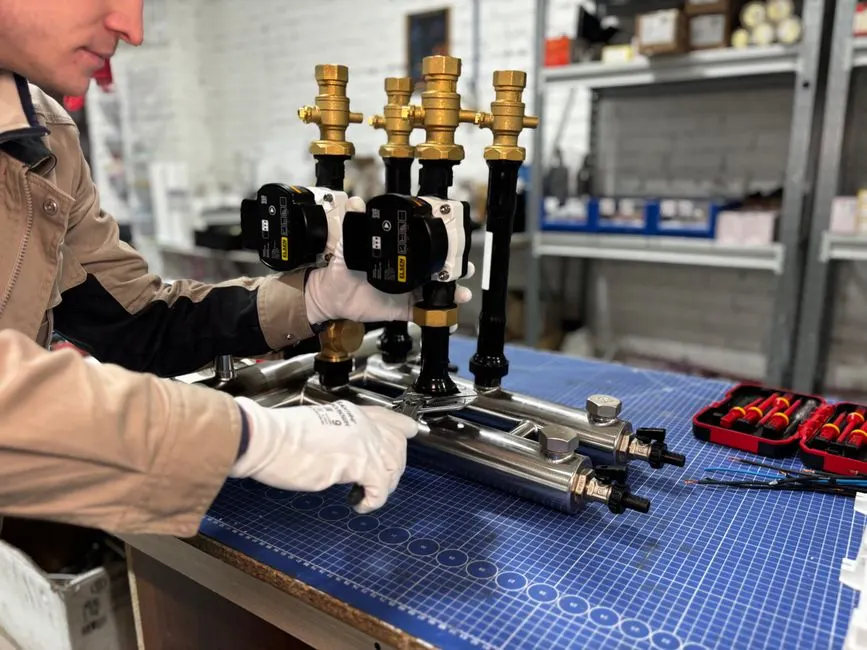
A family in Olinda had sewage backing up into the laundry room every few weeks. A drain snake cleared it temporarily, but the backup returned. The yard had a soggy strip about 20 feet from the cleanout, which suggested a break in the line.
After: We ran a pipe inspection camera and found root intrusion at a joint 18 feet out, with a cracked PVC pipe. We jetted the line, replaced the damaged section with new PVC, and pressure-tested it before backfill. No backups in the 8 months since.
Book this service →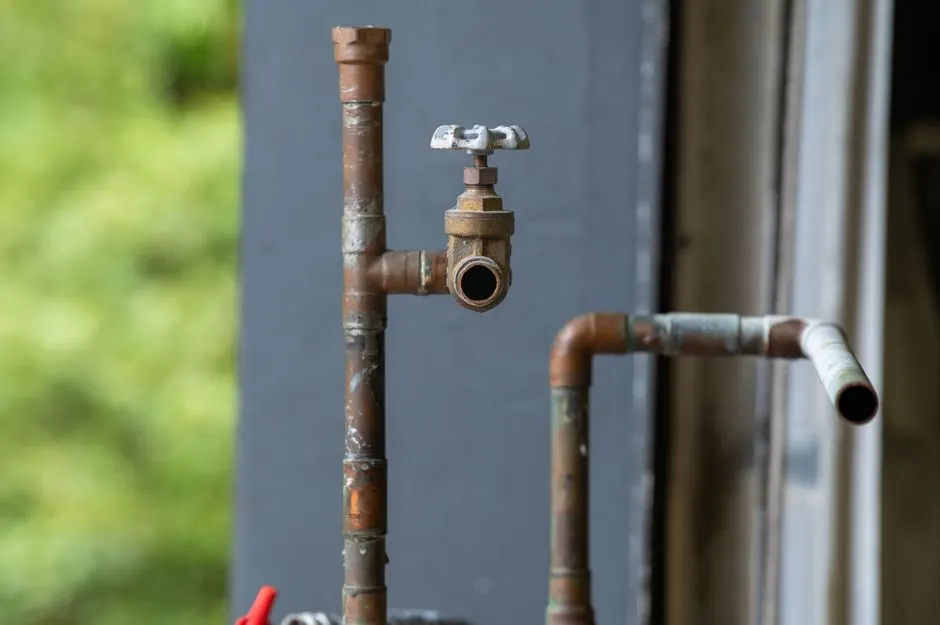
A homeowner in Carbon Canyon noticed water pooling around the base of a 9-year-old Rheem water heater. The tank fittings were dry, but the floor stayed wet. The supply line behind the unit was the suspect, and the water bill had climbed $60 in a month.
After: We isolated the water heater, pressure-tested the supply lines, and found a failed SharkBite fitting on the cold inlet. We replaced the fitting with a new one, added a shut-off valve, and pressure-tested the line. The leak stopped and the bill returned to normal.
Book this service →These are the calls we run most often in brea. If any of these sound familiar, do not wait for the damage to get worse.
Ask a pro →We pressure-test the system, listen for the leak with acoustic gear, and scan the floor with a thermal camera. Once we mark the location, we quote a spot repair or an attic reroute, whichever makes more sense for your home.
We confirm the leak with a thermal scan and a pressure test, then reroute the hot-water line through the attic. That avoids breaking the slab and usually finishes in one day with water back on by evening.
We isolate the system, test each run, and use acoustic listening equipment to narrow the leak to a few inches. Then we open the smallest possible area to make the repair and pressure-test before closing it up.
We camera the sewer line and pressure-test the water service to determine which line is leaking. Then we repair or replace the section with code-correct pipe and backfill, leaving the yard as clean as we found it.
“Our water bill jumped from $95 to $310 in one cycle. Ace came out the same afternoon, pressure-tested the line, and found a slab leak under the hallway with the acoustic gear. They marked it with tape, showed me the thermal image, and rerouted the line through the attic the next morning. Water was back on by 4 p.m. and the next bill was normal.”
Marisol R.Homeowner, Downtown Brea
✓ Verified“I had a warm spot on the kitchen floor for a month and could not figure it out. The tech from Ace spent about 90 minutes with a thermal camera and listening disc and found a pinhole leak in the hot-water copper under the slab. He quoted the reroute on the spot, no pressure, and we scheduled it for that Friday. Clean work, no mess left behind.”
Dale K.Homeowner, Olinda
✓ Verified“We thought our irrigation was leaking because the yard was soggy. Ace camerad the sewer line and found root intrusion at a joint about 18 feet out. They jetted the line, repaired the section with PVC pipe, and pressure-tested it before backfill. Honest pricing and they explained everything without the sales pitch.”
Priya N.Homeowner, Carbon Canyon
✓ VerifiedMost residential leak detection jobs in brea run $250 to $550 in 2026, depending on how large the search area is and whether we need to camera a drain line. Slab leak detection on a larger home can reach $650. The fee is flat-rate and credits toward the repair if you hire us to fix the leak.
The three biggest signs are a water bill that jumped $80 or more in one cycle, the sound of running water when every fixture is off, and a warm or damp spot on the floor. If the meter dial still spins with the main shut-off closed, you have a leak on the pressurized side. Call us and we will confirm it the same day.
Ace Plumbing Brea CA offers leak detection across brea and Orange County, including Downtown Brea, Olinda, and Carbon Canyon. We are a licensed C-36 plumbing contractor with acoustic, thermal, and camera equipment on every truck. We have been locating leaks here since 2017.
Yes. Hidden leaks in walls, under slabs, and behind shower valves are exactly what our equipment is built for. Acoustic listening gear hears water escaping under a slab, thermal cameras show temperature differences from a hot-water leak, and pipe inspection cameras see inside drain lines. We mark the location before any demolition starts.
Water is running somewhere it should not. We find it, mark it, and fix it, usually the same day. Our leak detection fee credits toward the repair, and every job is done by a licensed C-36 plumbing contractor. Call 714 880 7135 now.
Book Leak Detection 714 880 7135 →Reach us at 714 880 7135 for same-day service or 24/7 emergency dispatch. We answer the phone, ask what's going on, and give you a realistic arrival window. Most calls placed before noon get a plumber the same day. You can also email info@aceplumbingbreaca.com for non-urgent quotes and scheduling.